






On The Radar
- Details
- Hits: 4245
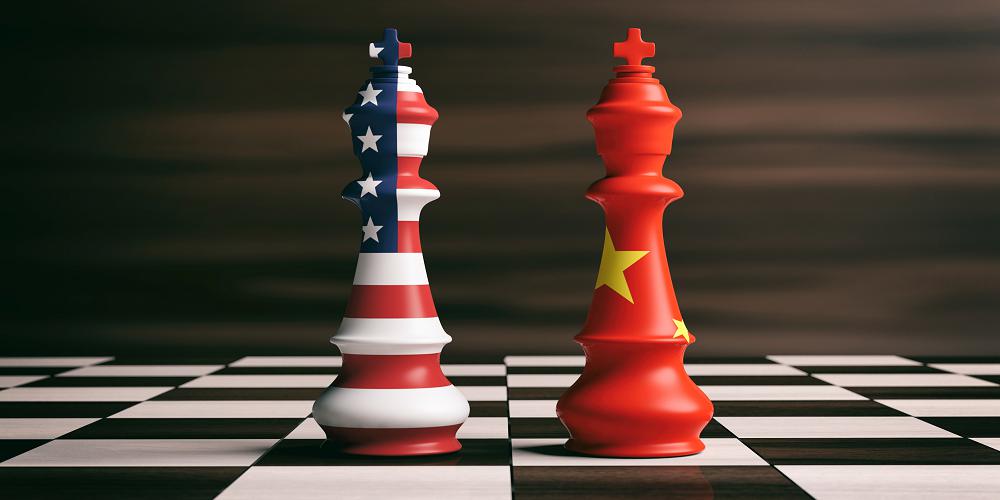
- The People’s Republic of China’s (PRC’s) strategy aims to achieve “the great rejuvenation of the Chinese nation” by 2049. China’s strategy can be characterized as a determined pursuit of political and social modernity that includes far-ranging efforts to expand China’s national power, perfect its governance systems, and revise the international order.
- The Chinese Communist Party (CCP) frames this strategy as an effort to realize long-held nationalist aspirations to “return” China to a position of strength, prosperity, and leadership on the world stage.
- The CCP’s leadership has long viewed China as embroiled in a major international strategic competition with other states, including, and in particular, the United States.
- In 2019, China intensified its efforts to advance its overall development including steadying its economic growth, strengthening its armed forces, and taking a more active role in global affairs.
- Details
- Hits: 2662
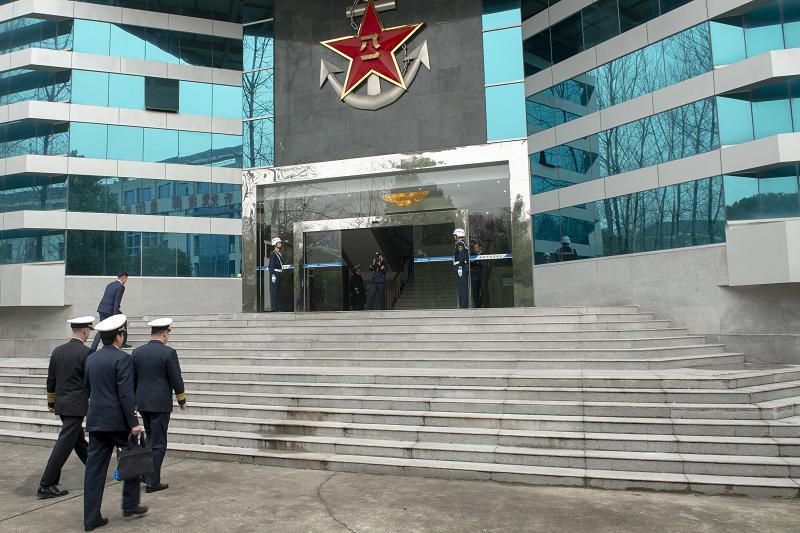 190115-N-ES994-0201 NANJING, China (Jan. 15, 2019) Chief of Naval Operations (CNO) Adm. John Richardson visits the People's Liberation Army (Navy) (PLA(N)) Command College for a roundtable discussion where he underscored the importance of lawful and safe operations around the globe. Richardson is on a three-day visit to Beijing and Nanjing to continue the ongoing dialog between the two militaries and encourage professional interactions at sea, specifically addressing risk reduction and operational safety measures to prevent unwanted and unnecessary escalation.
(Photo by Chief Mass Communication Specialist Elliott Fabrizio)
Read more: China Pursues Own Nuclear Triad, Doubling of Nuclear Capability
- Details
- Hits: 2694
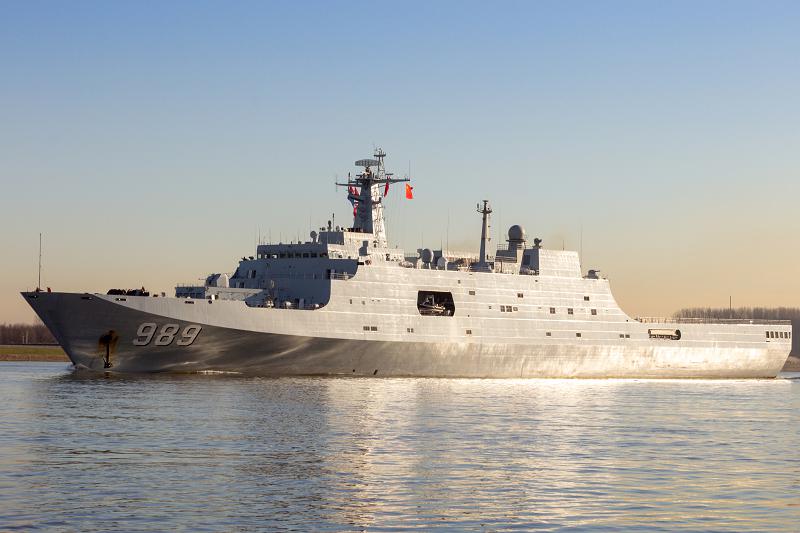 ROTTERDAM - JAN 30, 2015: Chinese People s Liberation Army Navy (PLAN) amphibious transport ship 989 Changbai Shan (NATO name: Yuzhao) leaving the Port of Rotterdam after the first visit ever of the Chinese Navy to The Netherlands
DoD’s 2000 report assessed that the PLA was slowly and unevenly adapting to the trends in modern warfare. The PLA’s force structure and capabilities focused largely on waging large-scale land warfare along China’s borders. The PLA’s ground, air, and naval forces were sizable but mostly obsolete. Its conventional missiles were generally of short range and modest accuracy. The PLA’s emergent cyber capabilities were rudimentary; its use of information technology was well behind the curve; and its nominal space capabilities were based on outdated technologies for the day. Further, China’s defense industry struggled to produce high-quality systems. Even if the PRC could produce or acquire modern weapons, the PLA lacked the joint organizations and training needed to field them effectively. The report assessed that the PLA’s organizational obstacles were severe enough that if left unaddressed they would “inhibit the PLA’s maturation into a world-class military force.”
- Details
- Hits: 3019
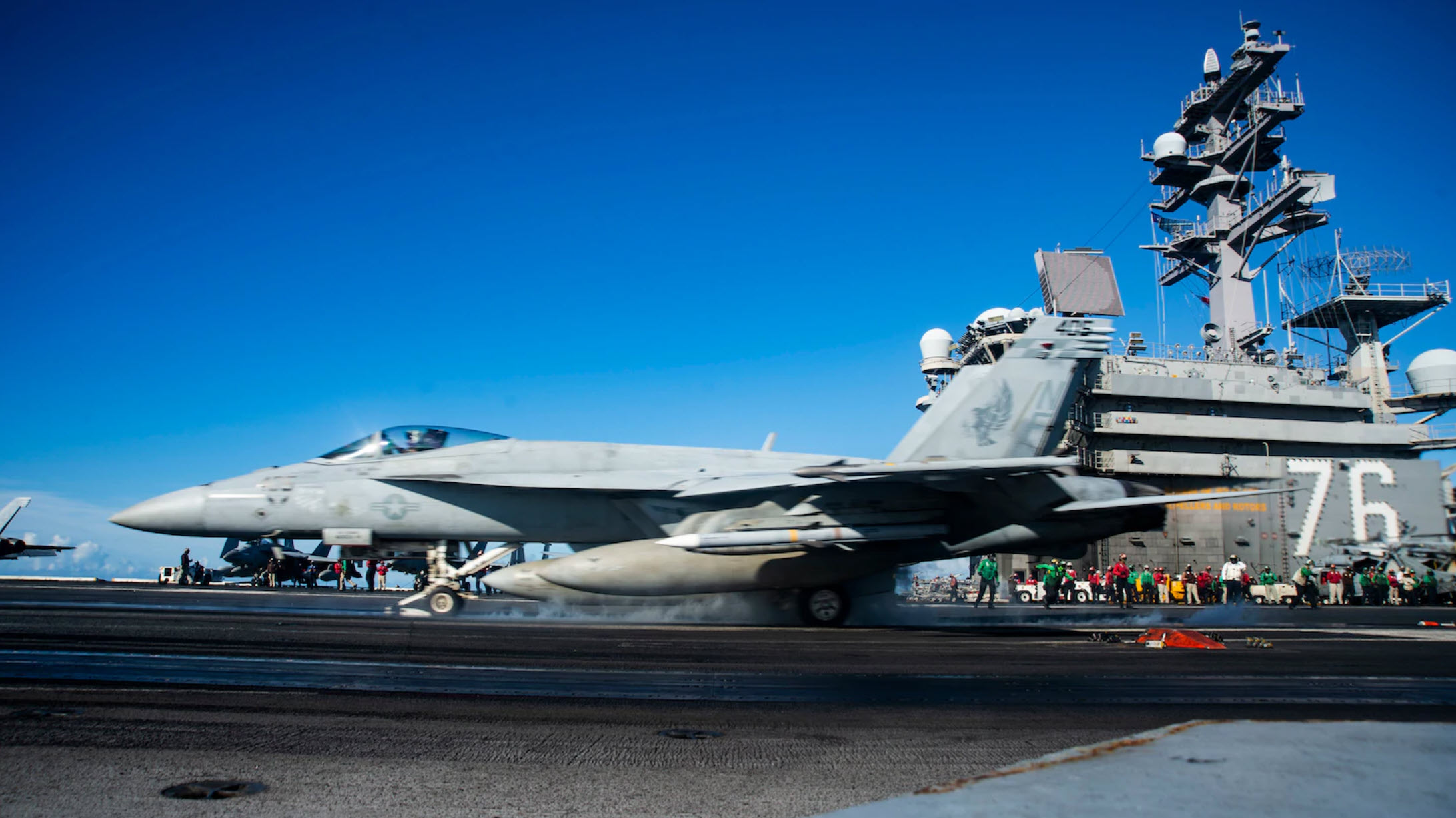
The strike group – USS Ronald Reagan (CVN 76), Carrier Air Wing (CVW) 5, USS Antietam (CG 54), USS Mustin (DDG 89), and USS Rafael Peralta (DDG 115) – conducted flight operations with fixed and rotary wing aircraft, and high-end maritime stability operations and exercises.
Read more: Ronald Reagan Returns to South China Sea, Honors Commitment to Regional Allies, Partners